
The conversation around precision medicine vs traditional healthcare didn’t start overnight, and it isn’t academic anymore. Traditional healthcare still runs most clinical systems, built on standardized guidelines and population data. Precision medicine works differently. It uses genetic insight, molecular biology, and individualized care to guide decisions earlier and with more accuracy. That difference now affects how diseases are identified, how treatments are chosen, and how long-term costs unfold.
Precision Medicine vs Traditional Healthcare: Core Definitions and Approaches
At a practical level, precision medicine vs traditional healthcare comes down to how decisions are made once someone walks into a clinic. Traditional healthcare relies on patterns seen across large groups. Symptoms appear, tests confirm a diagnosis, and treatment follows a standard path proven to work for most patients.
Precision medicine starts earlier and looks closer. The term precision medicine describes care shaped by a person’s genetic profile, biological markers, environment, and health history. Instead of assuming similar responses across patients, medicine focuses on variation. Genomic sequencing, molecular analysis, and individualized care plans guide diagnosis and treatment with greater specificity.
Foundational Differences Between Care Models
| Aspect | Traditional Healthcare | Precision Medicine |
| Primary focus | Population trends | Individual patients |
| Diagnostic basis | Symptoms and routine tests | Genomic data and molecular biology |
| Treatment design | Standard protocols | Targeted therapies |
| Timing of care | After the disease develops | Preventative and early-stage focus |
Historical Context: How Precision Medicine Evolved from Traditional Practice
For decades, traditional healthcare formed the backbone of modern medicine. It succeeded because it had to. Public health systems needed scalable solutions for infectious diseases, injuries, and chronic illnesses. Standardized care saved lives and still does.
Precision medicine entered the picture once science caught up with theory. As genomic sequencing became faster and more affordable, researchers uncovered how genetic variation influences diagnosis and treatment.
In the United States, this shift gained momentum with the National Institutes of Health launching the Precision Medicine Initiative. That effort acknowledged what clinicians had observed for years: patients with the same diagnosis often respond very differently to the same treatment.
How Precision Medicine Works: From Genomic Sequencing to Targeted Therapies
Here’s how it works in practice. Precision medicine technology collects genomic data, analyzes biomarkers, and cross-references findings against large data sets. This process identifies disease risk, treatment response, and potential complications before symptoms escalate.
Traditional healthcare often depends on trial and adjustment. Precision medicine reduces that guesswork. The Food and Drug Administration has documented how targeted therapies informed by genomic sequencing improve outcomes in cancer care and rare disease treatment.
Rather than treating broadly, clinicians match therapy to molecular characteristics. That approach shortens the time to effective care and reduces unnecessary exposure to medications that offer little benefit.
Precision Medicine Technologies in Clinical Use
| Technology | Clinical Role |
| Genomic sequencing | Identifies inherited risk and mutation patterns |
| Biomarker analysis | Supports early diagnosis |
| Big data analytics | Connects clinical and genetic insight |
| Targeted therapies | Improves treatment precision |
Clinical Outcomes: Beyond Symptom Management
When clinicians compare precision medicine vs traditional healthcare, outcomes shift the discussion. Traditional models manage disease after symptoms surface. Precision medicine aims to intervene sooner, often before irreversible damage occurs.
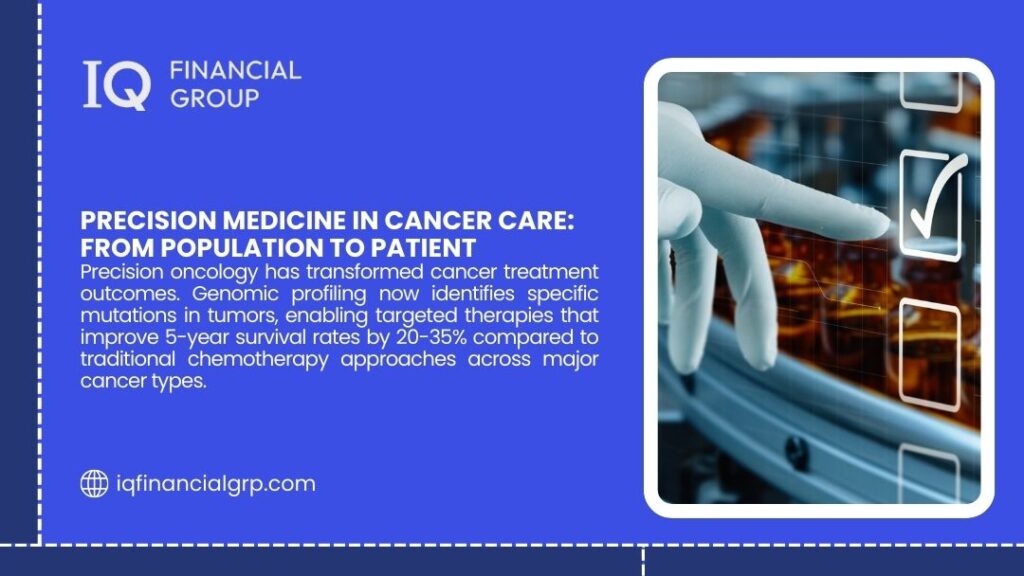
Precision medicine tailors prevention and treatment to individual genetic, environmental, and lifestyle factors, with research showing that this approach can enhance treatment effectiveness and avoid some side effects when therapies are well matched to patient characteristics.
Patients also respond differently. Those who understand their biological risk often take a more active role in care decisions. That engagement supports both individual health and broader public health objectives.
Economic and Public Health Impacts
Advanced testing carries upfront expense, yet long-term data paints a more balanced picture. Research shows that precision-guided treatment strategies, such as preemptive pharmacogenomic testing, are associated with reductions in adverse drug reactions and related healthcare utilization, including hospitalizations and emergency visits, compared with usual care.
Research published through the National Library of Medicine links precision-guided care to fewer hospitalizations and lower rates of adverse drug reactions.
Traditional healthcare spreads resources evenly across populations. Precision medicine directs resources where risk is highest. That distinction improves cost-effectiveness over time. Employers adopting preventative strategies tied to personalized medicine report fewer high-cost claims and steadier workforce productivity.
As care models evolve, understanding coverage becomes more important. Clear explanations of what health insurance covers help individuals and employers understand how emerging medical services integrate with existing plans.
Barriers and Challenges in Precision Medicine Adoption
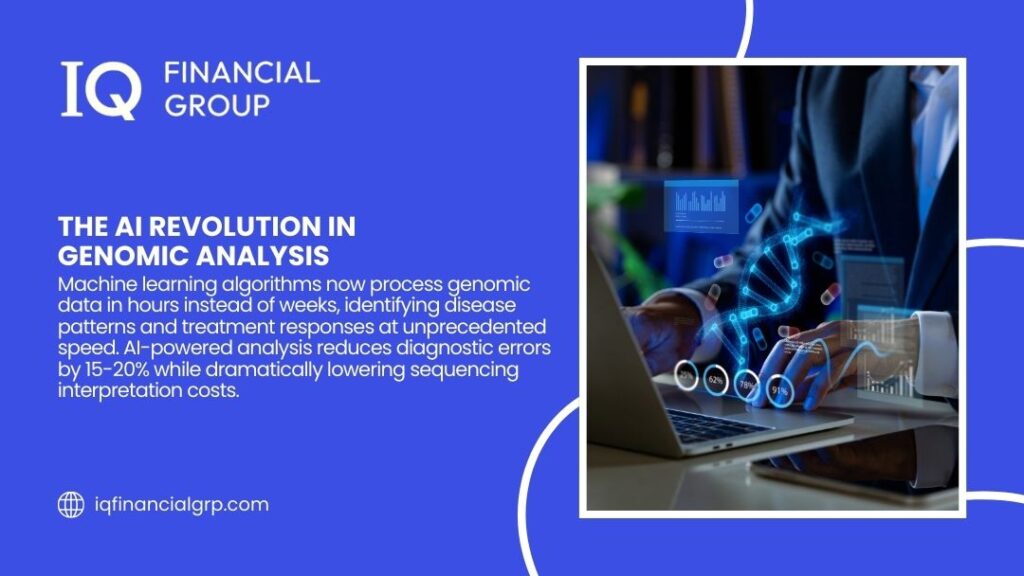
Despite its clinical promise, precision medicine does not scale effortlessly, and several structural and operational barriers continue to slow widespread adoption across health care systems.
| Challenge Area | Why It Creates Friction |
| Limited access to genomic testing | Advanced testing remains unevenly available, particularly outside major medical centers, which restricts individualized care for many patients |
| Data privacy and security concerns | Genomic data carries long-term sensitivity, raising legal and ethical concerns around storage, consent, and secondary use |
| Clinical workforce readiness | Many clinicians lack formal training in molecular biology and genomic interpretation, slowing integration into routine practice |
| Infrastructure limitations | Traditional electronic health records were not designed to manage large-scale genomic and biomarker data |
| Cost perception and reimbursement gaps | Upfront diagnostic expenses create hesitation among payers despite evidence of long-term cost effectiveness |
| Risk of widening health disparities | Without equitable access models, precision medicine could benefit select populations while leaving others behind |
Addressing these challenges requires coordinated investment, policy alignment, and education to ensure precision medicine strengthens health systems rather than fragmenting them further.
What Traditional Healthcare Gets Right, And Where It Falls Short
Traditional healthcare continues to play a critical role in modern medicine, especially where consistency, speed, and scale matter most.
| Area of Care | Where Traditional Healthcare Performs Well | Where Limitations Appear |
| Acute and emergency care | Delivers rapid, standardized treatment protocols that save lives in time-sensitive situations | Offers little flexibility once the immediate crisis passes |
| Infectious disease control | Supports vaccination programs and population-wide prevention strategies | Struggles to account for individual biological differences |
| Clinical guidelines | Provides evidence-based standards that ensure consistency across providers | Assumes uniform response to treatment across diverse patients |
| Chronic condition management | Maintains stable long-term treatment plans for common conditions | Often relies on symptom control rather than root-cause analysis |
| Health system scalability | Operates efficiently at scale across large populations | Less effective for patients who fall outside “average” risk profiles |
That contrast explains why precision-based approaches increasingly complement traditional systems rather than replace them outright.
The Future of Precision Medicine in Healthcare Systems
The future of precision medicine vs traditional healthcare does not point to replacement. It points to convergence. Hybrid systems already combine standardized care with personalized diagnostics. Advances in molecular biology, data analytics, and computational tools continue to push medicine toward earlier detection and better prevention.
Healthcare organizations increasingly recognize that precision medicine supports sustainability. Identifying risk early reduces late-stage treatment costs. Employers who explore data-driven wellness strategies often see measurable benefits, particularly when guided by evidence showing the ROI of precision medicine for employees.
What This Comparison Means for Health Consumers and Providers
The comparison between precision medicine vs traditional healthcare affects daily decisions for both patients and care providers in very different ways.
| Perspective | What the Shift Means in Practice |
| Health consumers | Care moves away from trial-and-error treatment toward earlier insight, clearer risk awareness, and more individualized care paths. |
| Patients with chronic conditions | Fewer delayed diagnoses, better treatment matching, and reduced exposure to therapies that offer little benefit. |
| Employers | Improved workforce health predictability, lower long-term claim volatility, and stronger alignment between benefits and prevention. |
| Physicians and clinicians | Greater diagnostic confidence through genomic data and biomarkers, paired with more precise treatment selection. |
| Health systems | A gradual shift from reactive care models to preventative strategies that reduce late-stage intervention costs. |
| Insurers and plan designers | Increased emphasis on value-based care, data-driven risk management, and long-term cost control. |
Taken together, this comparison highlights how healthcare decisions increasingly balance population-level stability with individual-level precision.
Why This Shift in Care Delivery Matters Now
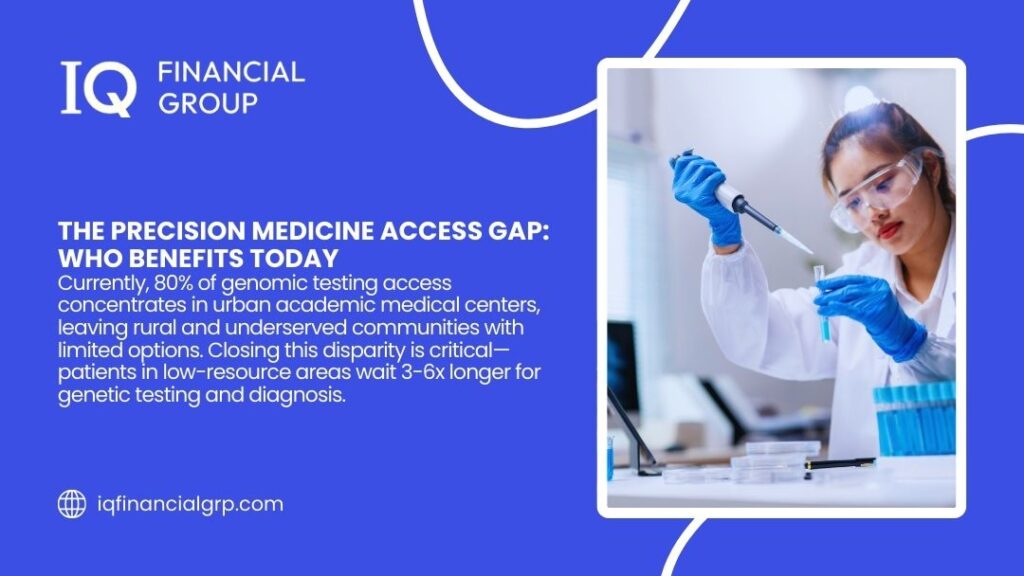
Precision medicine vs traditional healthcare now operate side by side. One offers scale, the other specificity. As genomic data becomes more accessible and clinical practice evolves, this balance will shape future outcomes.
Organizations exploring modern benefits increasingly evaluate personalized medicine for employees to manage risk while improving care quality. The momentum behind precision medicine reflects a simple reality: health care improves when decisions reflect the individual, not the average. For employers and individuals alike, the next step often begins with understanding how coverage aligns with emerging care. IQ Financial Group explaining the benefits of personalized medicine for employees help bridge that gap and clarify how preventative strategies fit into today’s health care environment.
