
The relentless climb of corporate healthcare premiums and chronic illness rates is forcing leadership teams to rethink old-school workforce wellness. Integrating precision medicine with existing employee benefits allows a company to shift from a reactive sick care model toward a proactive, data-informed health strategy.
By weaving together high-level diagnostic tools, customized treatment paths, and concierge-style virtual navigation, firms can stabilize high-cost claims while significantly boosting talent retention. For businesses operating in the state’s cutthroat hiring market, this modern healthcare shift offers measurable financial stability and long-term workforce health advantages.
This article explains how employers can strategically combine precision medicine with existing employee benefit programs to improve workforce health outcomes while controlling long-term healthcare costs.
Integrating Precision Medicine with Existing Employee Benefits
At its heart, integrating precision medicine with existing employee benefits involves blending individual biological data and advanced screening with traditional health insurance frameworks. Rather than leaning on one-size-fits-all plans that only respond after symptoms appear, this approach prioritizes early risk detection. It tailors medical interventions based on a worker’s specific biomarker indicators, metabolic health patterns, inflammatory markers, and, when appropriate, genomic insights.
This model refines healthcare delivery by syncing benefit structures with deep personal health insights. Employers who commit to integrating precision medicine with existing employee benefits typically witness a jump in patient satisfaction scores, better long-term wellness, and a noticeable drop in total healthcare spend. According to research, precision medicine drastically increases treatment success by focusing on the biological nuances between patients.
Organizations looking into group coverage tweaks often start by seeing how these personalized care models can wrap around existing affordable group health insurance rather than replacing it entirely. This layered setup maintains full compliance while broadening access to life-saving preventative care and supporting physician-directed treatment planning based on advanced health analytics.
Why Traditional Employee Health Plans Struggle with Rising Healthcare Costs
The current healthcare landscape still functions mostly as a reactive engine. Historically, employers bought coverage that focused on fixing a problem after it happened, diagnosis and treatment, rather than stopping it before it started. This wait-and-see approach is what fuels the explosion of high-cost claims, particularly for chronic issues like diabetes, heart disease, and autoimmune conditions.
The Centers for Disease Control and Prevention notes that chronic ailments drive roughly 90% of all U.S. healthcare spending, putting immense strain on employer-sponsored plans. When a workforce relies on generic treatment protocols, the early warning signs of these expensive conditions often slip through the cracks undetected.
Furthermore, traditional benefit designs rely on population averages. While these models offer a baseline level of care, they ignore the genetic traits, environmental factors, and lifestyle markers that define a person’s actual health risk. Consequently, companies pay for unnecessary medical waste while employees deal with delayed diagnoses and declining quality of life.
Firms that already work with health insurance brokers are finding that preventative programs, when woven into existing plans, offer a powerful layer of cost suppression without ruining coverage continuity. These programs also introduce advanced preventative blood analysis and individualized care mapping that help identify potential health concerns before symptoms impact productivity.
How Precision Medicine Improves Treatment Plans and Employee Outcomes
Precision medicine transforms workforce health by prioritizing individualized care plans backed by heavy data analytics. Instead of rolling out standardized best-guess treatments, doctors analyze genomic data and inflammatory markers to pinpoint the exact therapy that will work for a specific employee.
Research shows that this methodology slashes the trial-and-error period of prescribing medication, which is vital for rare or complex chronic illnesses. This pinpoint accuracy speeds up recovery and minimizes treatment lag.
For the C-suite, integrating precision medicine with existing employee benefits helps slash absenteeism by catching issues early. When staff members get preventative guidance that matches their biology, workplace output naturally climbs. Retention also improves when workers feel their healthcare is truly personalized rather than a corporate formality.
Enterprising businesses often pair these precision initiatives with a personalized wellness insurance program for employees to build a fully synchronized, preventative health culture that includes clinical monitoring, preventative testing, and personalized care coordination.
The Role of Genetic Makeup and Advanced Testing in Workplace Health Plans
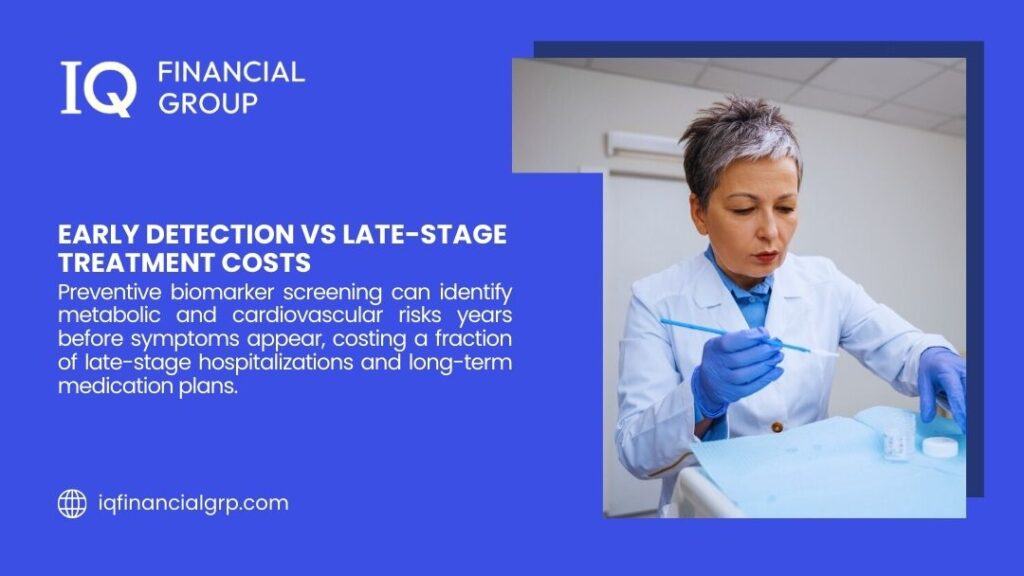
An individual’s genetic makeup dictates how they process medication, handle stress, and react to environmental triggers. Advanced biomarker testing gives physicians the ability to see health markers years before physical symptoms ever show up. This level of insight drives preventative plans that effectively starve long-term healthcare costs of their fuel.
Today’s testing platforms can monitor hormone fluctuations, immune system health, and even cellular aging. These metrics help clinicians build health roadmaps that tackle risk factors before they snowball into a medical crisis.
The U.S. Food and Drug Administration reports that the field of genetic testing and gene therapies has grown exponentially, offering precise solutions for conditions that were once thought untreatable. This allows employers to embed precision medicine strategies into their current health portfolios while staying within regulatory bounds.
Managers evaluating these strategies often sync these diagnostic tools with the concepts found in how precision medicine works for employers to ensure the new tech fits their existing benefits infrastructure.
Precision Medicine vs Traditional Healthcare in Employer Benefit Design
The gap between old-school healthcare and precision medicine shows why integrating advanced data into employee benefits is becoming a financial necessity.
| Feature | Traditional Healthcare | Precision Medicine Integration |
| Treatment Focus | Symptom-based | Root-cause prevention |
| Testing Scope | Basic lab testing | Advanced genomic and biomarker analysis |
| Care Approach | One-size-fits-all population | Individualized treatment plans |
| Cost Model | Reactive and high cost | Cost-effective preventative care |
| Employee Experience | Standardized access | Concierge-style virtual care navigation |
| Outcome Measurement | Short-term symptom relief | Long-term health optimization |
Organizations looking to transform their health strategy often use this precision medicine vs traditional healthcare comparison to visualize how proactive planning mitigates financial exposure while improving employee engagement in preventative care programs.
Benefits of Precision Medicine for Employers and Workforce Productivity
Integrating precision medicine with existing employee benefits yields tangible wins for the bottom line. Employers often see a rise in loyalty when staff can access world-class, personalized care.
Employees also gain from better screening access and earlier interventions. These services move the needle on patient experience metrics by cutting down on avoidable ER visits and hospital stays. Moreover, personalized programs boost mental health initiatives, which are a major pillar of overall office productivity.
Strategic leaders often run the numbers on the ROI of precision medicine for employees to justify the long-term shift in their health investment strategy.
How Concierge Virtual Care Supports Precision Medicine Integration
Concierge virtual care is the glue that makes integrating precision medicine with existing employee benefits work. Unlike basic telehealth, concierge care offers a dedicated guide for healthcare navigation, coordinating complex treatments, and even advocating for the employee during billing disputes.
Staff members get direct lines to experts who oversee their preventative assessments and specialist referrals. This hand-holding reduces care delays and makes sure employees actually stick to their personalized health plans.
This white-glove virtual service also makes the system easier to use. Employees can handle screenings, mental health check-ins, and chronic care monitoring via digital hubs, stripping away the usual administrative headaches.
Many CEOs pair these services with the benefits of personalized medicine for employees to create a more magnetic workplace culture.
Integrating Precision Medicine with Group Health Plans Without Disrupting Coverage
Integrating precision medicine with existing employee benefits doesn’t mean you have to blow up your current group plan. Instead, smart employers layer these preventative tools over their traditional insurance to make the whole system more efficient.
| Integration Layer | Function | Employer Benefit |
| Preventative Diagnostics | Finds early risk markers | Limits high-cost claims |
| Personalized Treatment Plans | Pinpoints specific risks | Boosts medical success |
| Concierge Virtual Care | Simplifies health access | Improves worker satisfaction |
| Supplemental Coverage | Funds specialized testing | Expands care options |
Companies looking for a total workforce health overhaul often work with insurance broker experts to keep things compliant while they expand their preventative reach.
AI, Genomic Data, and the Future of Personalized Employee Healthcare Systems
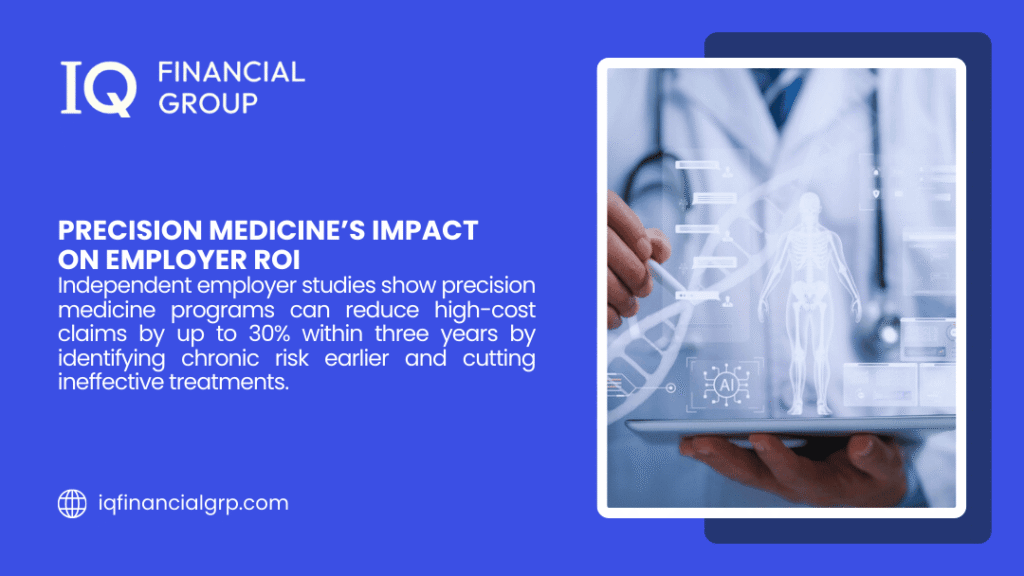
AI has rewritten the rules of healthcare by spotting disease patterns through massive genomic data sets. These AI platforms can scan workforce trends and flag early warnings for chronic risks. This allows bosses to offer targeted plans that fix health problems before they become budget-breakers. Research suggests that AI-backed precision models significantly improve how accurately we diagnose complex diseases.
Leaders tracking the next big thing in HR often look toward the future of personalized medicine for employees to stay ahead of the curve.
Implementation Framework for Employers Considering Precision Medicine Benefits
Transitioning to a model of integrating precision medicine with existing employee benefits requires a roadmap that balances medical needs with the company’s budget.
| Implementation Phase | Strategic Focus | Expected Outcome |
| Workforce Assessment | Audit claims and risks | Finds the best savings spots |
| Vendor Evaluation | Pick specialized partners | Ensures tech compatibility |
| Benefit Integration | Layer into current plans | No coverage gaps |
| Employee Education | Launch the new perks | High staff engagement |
| Performance Monitoring | Track health and costs | Proves the ROI |
Firms wanting a smooth transition often consult with health insurance brokers to make sure the implementation is seamless.
Challenges Employers Must Consider When Adopting Precision Medicine Programs
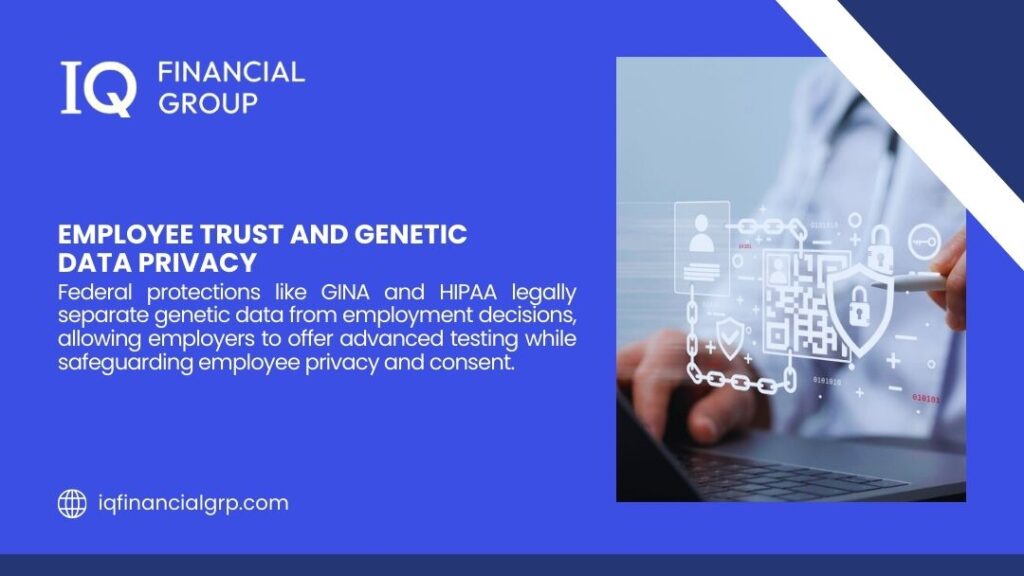
While the perks are huge, employers have to navigate privacy laws, staff education, and the selection of the right vendors. Protecting genetic data is a legal must under HIPAA and GINA. Employers also have to communicate clearly so that workers actually understand and use these new preventative tools.
Campaigns that focus on quality of life rather than corporate savings usually get the best buy-in. Working with a seasoned advisor can help clear these hurdles and ensure a smooth rollout.
Final Thoughts: Where Employers Go From Here
Firms are still wrestling with chronic disease, a tight labor pool, and high premiums. Integrating precision medicine with existing employee benefits offers a logical, data-backed way to transform healthcare. By blending diagnostics, customized care, concierge support, and AI, companies can finally stop reacting to illness and start managing health.
If you’re looking for expert help, start by talking to advisors who know the preventative landscape. Businesses ready to move can get a workforce health assessment through IQ Financial Group, helping you build a custom, cost-effective health solution for your team.
