
Reducing cost with wellness insurance program for employees is emerging as a practical solution for U.S. employers managing the financial pressure of rising healthcare premiums and chronic disease-related claims.
When structured correctly, wellness programs enhance preventive care, improve long-term health outcomes, and support smarter benefit design, creating measurable savings that compound over time.
This article examines the evidence, outlines the economic mechanisms behind successful wellness programs, and presents actionable strategies for companies seeking sustainable reductions in healthcare spending.
Why Do U.S. Employers Face Rising Healthcare Costs?
Healthcare spending in the United States continues to grow faster than wages and inflation, leaving employers with limited options for cost control. The 2024 Kaiser Family Foundation Employer Health Benefits Survey reported that the average family premium for employer-sponsored insurance exceeded $24,000, with employers covering nearly three-quarters of that amount. This rise reflects trends in chronic disease prevalence, higher medication costs, and more frequent specialist care.
The Centers for Disease Control and Prevention estimates that chronic conditions such as cardiovascular disease, diabetes, and hypertension account for around 90% of the nation’s $4.9 trillion annual healthcare expenditures.
For employers offering group health coverage, these conditions often translate into repeated claims, long-term treatment costs, and increasing insurance premiums. This environment pressures companies to find cost-effective approaches that address both immediate expenses and the long-term drivers behind them.
How Wellness Programs Reduce Costs for Employers
Wellness programs lower healthcare spending through several measurable mechanisms. Preventive care reduces the frequency of high-cost claims by identifying risks earlier, while chronic disease management decreases complications that lead to costly hospital visits. When employees maintain healthier lifestyles, employers typically see fewer emergency room visits, fewer avoidable admissions, and reduced reliance on specialty care.
Absenteeism also drops when employees receive ongoing support for conditions that affect energy, mobility, and stress levels. A healthier workforce tends to require fewer sick days and experiences fewer productivity interruptions. These improvements accumulate across the year and help stabilize long-term claim patterns, which insurance carriers consider when setting premium rates.
Wellness initiatives also encourage employees to use their benefits more responsibly. When participants understand preventive services, network options, and coverage rules, they make more cost-conscious decisions.
Employees make more informed choices when they understand how their health plan works, and clear explanations from their insurance provider help them avoid unnecessary expenses and use preventive services more efficiently.
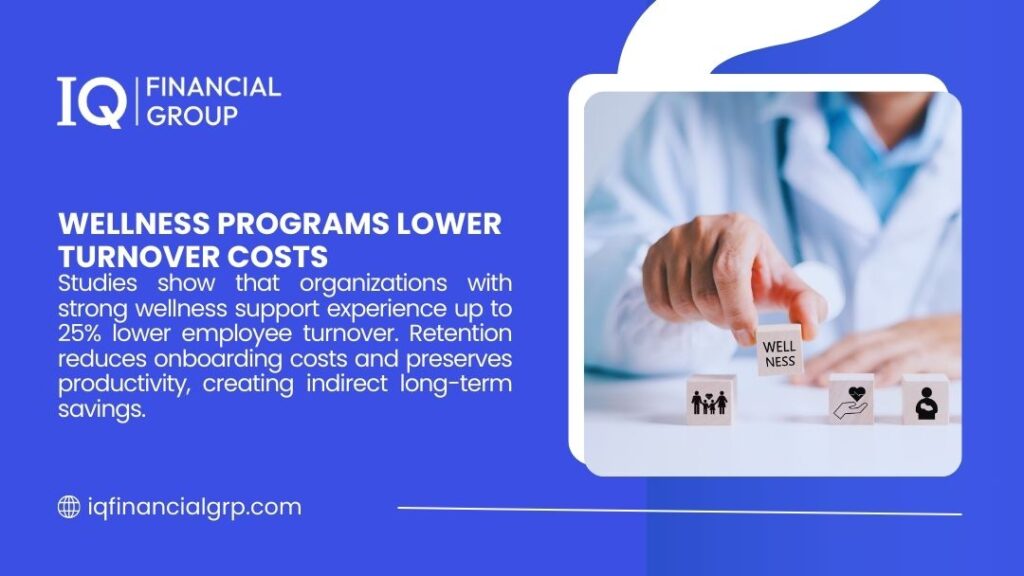
What does a Wellness Insurance Program include?
A wellness insurance program functions as a structured system designed to prevent disease, manage existing conditions, and guide employees toward healthier behaviors that influence long-term medical spending.
It blends clinical support with strategic insurance design, creating a comprehensive approach to workforce health. At its core, the program includes several interconnected components that address both medical needs and behavioral habits.
The foundation typically begins with health risk assessments and biometric screenings. These tools capture data on blood pressure, cholesterol, glucose levels, weight trends, and other indicators tied to chronic conditions. Employers use this information to identify patterns across the workforce and design interventions that address the most relevant risks.
Personalized coaching and condition-specific support often follow the initial assessment phase. Employees managing diabetes, hypertension, or cardiovascular concerns benefit from ongoing monitoring, lifestyle counseling, and regular check-ins that reduce the likelihood of complications. This targeted support is one of the most effective cost-control mechanisms, since chronic illnesses generate a large share of avoidable claims.
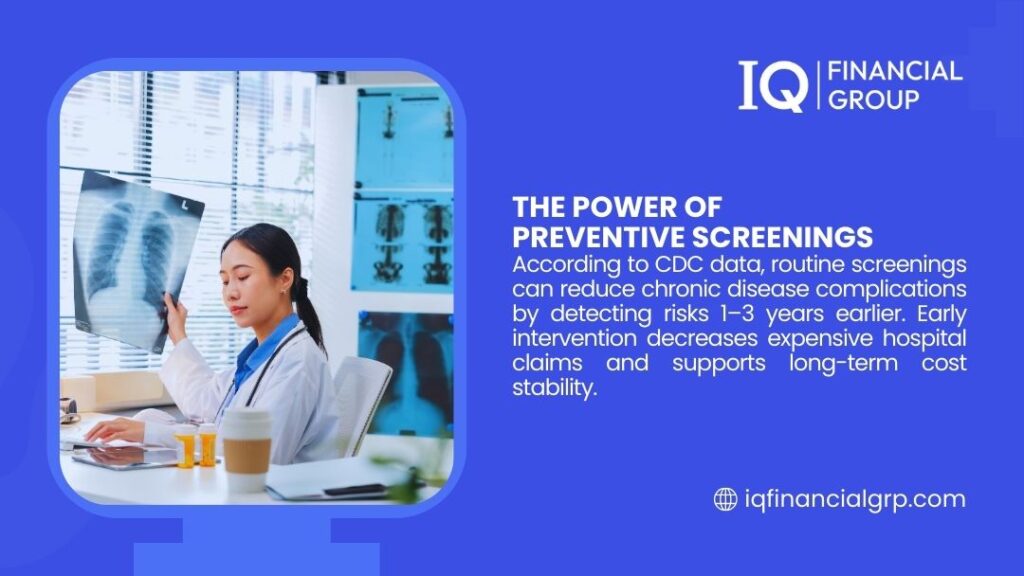
Preventive services play a central role as well. Programs usually encourage routine physical exams, age-appropriate screenings, vaccinations, and early diagnostic testing. When employees consistently participate in preventive care, minor issues are detected earlier, reducing the chance of high-cost emergency care or hospitalization.
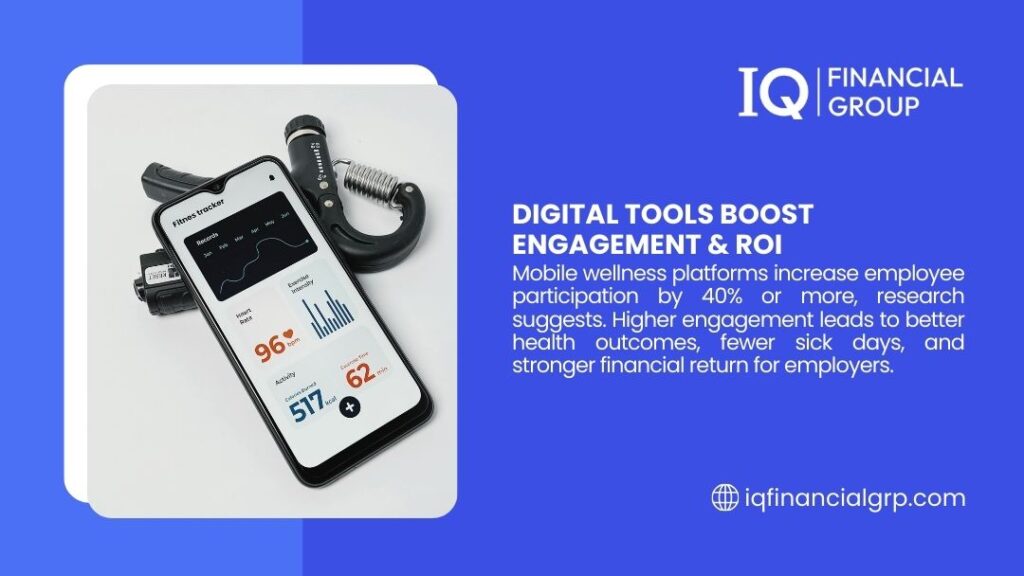
Many wellness programs also integrate behavioral health elements. Stress management tools, mental health resources, and counseling support improve overall well-being and reduce absenteeism tied to anxiety, burnout, and other workplace stressors. These services often contribute to higher productivity and more stable claims patterns over time.
The insurance structure aligns with these wellness components through benefit designs that promote responsible healthcare use. High-deductible options paired with tax-advantaged accounts encourage employees to compare costs thoughtfully and prioritize preventive services. Incentive frameworks, such as premium reductions or contributions to health accounts, reinforce participation and help employees recognize the financial value of healthier decisions.
Together, these elements form a coordinated program that improves health outcomes, reduces unnecessary spending, and helps employers manage year-over-year insurance costs with greater predictability.
What Research Says About Wellness ROI and Cost Savings
Research on wellness program effectiveness shows a range of outcomes depending on program design, duration, and employee participation. Early meta-analyses suggested dramatic financial returns, including the influential Health Affairs review, indicating $3.27 saved in medical costs and $2.73 saved in absenteeism for every dollar invested.
More recent randomized controlled trials have presented a more nuanced picture. A National Institutes of Health–supported study found improvements in employee behavior but no immediate reduction in healthcare spending. RAND Corporation’s long-term assessment reached similar conclusions, noting that short-term savings are difficult to achieve without targeted, clinically focused interventions.
The strongest evidence for long-term financial benefit comes from condition-specific wellness initiatives. A University of Rochester cardiovascular risk management program demonstrated annual savings of $1,224 per participant and an ROI of nearly 5 to 1, underscoring the importance of focusing on chronic disease rather than broad lifestyle campaigns.
The consensus across research is clear: wellness programs reduce costs most consistently when they target chronic conditions, maintain high engagement, and operate for multiple years.
Strategies for a Cost-Effective Wellness Insurance Program
Cost-effective wellness programs depend on selecting strategies aligned with measurable health outcomes. Employers achieve stronger results when focusing on chronic disease prevention, metabolic health management, and cardiovascular risk reduction. These interventions reduce claims associated with hospitalizations, long-term medication needs, and advanced disease complications.
Tax-advantaged arrangements can further support cost savings. It helps employees manage out-of-pocket expenses more responsibly, while Health Reimbursement Arrangements support employers seeking predictable benefit costs. When paired with structured wellness initiatives, these tools create a balanced approach to managing financial risk.
Employee education is another pillar of a cost-effective program. Employees who understand how plan networks work, how to compare provider pricing, and when to use urgent care instead of the emergency room tend to generate fewer unnecessary claims. Clear health literacy resources reduce overall plan misuse and contribute to long-term savings. To support a company’s insurance structure, supplemental coverage may also play a role. IQ Financial Group’s supplemental plans help reduce the financial burden of specialized treatments that fall outside standard coverage, offering another lever for cost control.
Comparison Between Traditional Health Plans and Integrated Wellness Insurance Programs
| Feature | Traditional Employer Health Plans | Wellness-Integrated Insurance Programs |
| Focus | Treatment and claims processing | Prevention, early detection, and long-term health |
| Cost Trend | Year-over-year premium increases | Slower premium growth with targeted interventions |
| Employee Engagement | Limited to reactive care | High engagement through education and incentives |
| Claims Patterns | Higher chronic disease costs | Reduced high-cost claims over time |
| Employer Insight | Limited workforce health data | Detailed analytics from screenings and assessments |
How Employers Can Lower Health Insurance Costs Through Smarter Plan Design
Insurance structure plays a decisive role in overall healthcare spending. Employers can reduce costs by selecting plan models that encourage preventive visits, generic prescription use, and in-network provider choices. High-deductible health plans help employees understand the cost of care while lowering premium expenses for employers.
Short-term medical plans may serve as a transitional option for certain workforces. This helps employers explore low-commitment alternatives that offer coverage during employment gaps or probationary periods.
When employers integrate wellness initiatives with thoughtful insurance design, they create an environment where preventive care is encouraged, unnecessary claims decline, and long-term cost patterns stabilize.
A Practical Roadmap for Implementing a Cost-Reducing Wellness Program
Implementing a cost-reducing wellness program begins with understanding workforce health trends. Employers often start with biometric screenings or health risk assessments that provide insight into chronic disease risks. These findings shape the program’s focus and identify areas for targeted support.
During the first year, employers monitor participation and engagement while establishing a baseline for comparison. Year two typically brings measurable changes in preventive care participation and chronic disease risk markers. Over the next several years, companies will observe more consistent reductions in claims tied to avoidable illnesses.
Partnering with a specialized brokerage such as IQ Financial Group allows employers to evaluate plan structures that support long-term wellness goals. Their expertise in group health insurance helps match benefit choices to workforce needs, enabling an integrated strategy that aligns health outcomes with financial planning.
Cost Reduction Mechanisms Linked to Wellness Program Design
| Cost Driver | How Wellness Programs Reduce It |
| Chronic disease claims | Early detection, ongoing counseling, and medical monitoring |
| Emergency room use | Improved care navigation and preventive treatment |
| Hospital admissions | Better condition management and reduced complications |
| Prescription spending | Help selecting cost-effective, evidence-based therapies |
| Long-term premium growth | Stabilized claim patterns and healthier risk pools |
Why Working With an Experienced Insurance Brokerage Supports Cost Reduction
Building a cost-efficient wellness insurance program requires coordinated benefit design, carrier negotiation, and ongoing plan evaluation. An experienced brokerage helps employers select plans that align with health goals while offering competitive pricing and long-term sustainability.
IQ Financial Group supports companies through services such as dental, vision, and hearing plans, life insurance, disability insurance, and business succession planning, allowing employers to structure benefits that reduce both short-term and long-term risk. For companies seeking specialized regional guidance, IQ Financial Group’s insurance broker Arizona resource offers targeted support for employers operating in the state. Their experience in navigating multi-state licensing and carrier networks allows businesses to build programs that fit local and national needs.
Conclusion: Sustainable Savings Come From Prevention, Structure, and Consistency
Reducing cost with a wellness insurance program for employees is most effective when employers pair preventive health strategies with an insurance structure designed to manage long-term risk.
Chronic condition management, early detection, financial education, and coordinated plan design work together to reduce avoidable claims and stabilize premiums. The strongest outcomes emerge over several years, making wellness programs a long-term investment rather than a short-term expense.
Employers seeking guidance can connect with IQ Financial Group through their contact page to build a personalized strategy tailored to workforce needs and financial priorities.
