
Modern businesses recognize that workforce wellbeing directly influences productivity, retention, and long-term growth. Yet traditional employee wellness programs often treat all workers the same, overlooking each individual’s unique health profile.
A personalized wellness insurance program for employees combines medical data, behavioral insights, and preventative care to create customized health strategies within employer-sponsored plans.
This article explains how these programs work, what benefits they deliver, and why employers, especially in Arizona’s rapidly evolving corporate health landscape, are adopting them to reduce costs and improve employee satisfaction.
Understanding Personalized Wellness Insurance Program for Employees
A personalized wellness insurance program integrates individual health data, lifestyle factors, and medical history into a tailored benefits plan. Unlike conventional wellness initiatives that rely on general screenings or activity goals, personalized programs analyze biometric data, mental health needs, and preventive care patterns to design customized wellness pathways for each employee.
These programs often include access to concierge-style virtual care, nutrition counseling, behavioral-health support, and ongoing monitoring through digital health platforms. When coordinated with comprehensive group health insurance, they provide full-spectrum coverage that helps prevent chronic conditions before they escalate.
From an employer’s standpoint, personalization translates to measurable outcomes: fewer high-cost claims, lower absenteeism, and improved productivity, all while creating a culture that genuinely empowers employees to take charge of their well-being.
How Personalized Wellness Differs From Traditional Workplace Programs
Most corporate wellness programs promote exercise or diet challenges, but they rarely integrate medical precision. A personalized model, on the other hand, is driven by preventative analytics, using employee health trends and claims data to pinpoint risk areas early.
| Aspect | Traditional Wellness Programs | Personalized Wellness Insurance Programs |
| Focus | General fitness and awareness | Individualized prevention and health optimization |
| Data Use | Basic participation tracking | Comprehensive biometric and lifestyle data |
| Accessibility | Limited in-person resources | 24/7 concierge virtual care and personalized guidance |
| ROI Measurement | Based on participation | Based on reduced claims and improved health outcomes |
| Integration | Separate from the insurance plan | Fully embedded within employee health benefits |
Employers adopting this model see greater engagement and stronger ROI because employees feel supported rather than monitored. In a 2024 Harvard Business Review study, companies that implemented personalized wellness frameworks reported up to 25% lower medical costs within 2 years and significant gains in morale and retention.
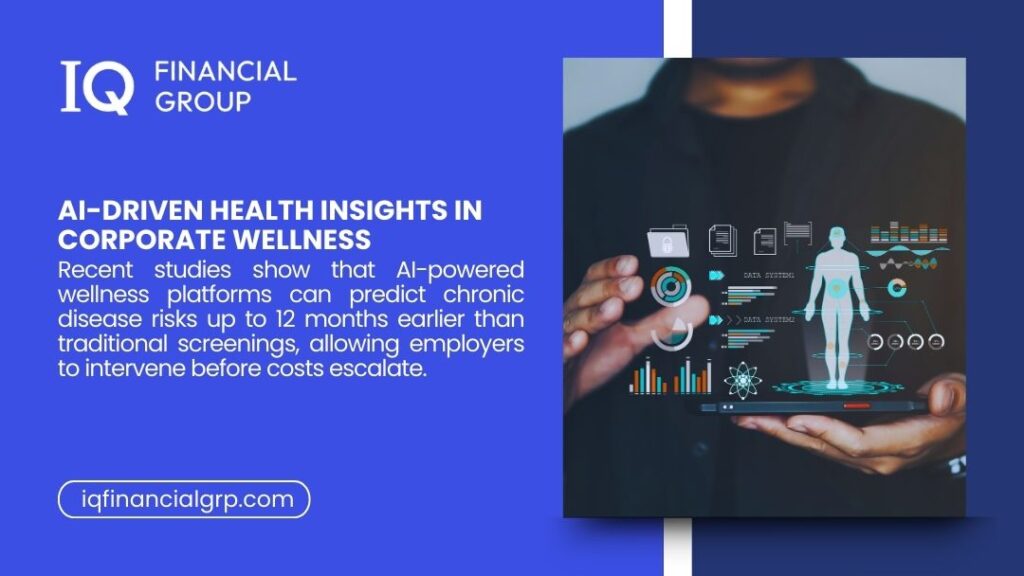
The Role of Preventive Care in Personalized Wellness
Preventive care is the backbone of a successful employee wellness program. It focuses on detecting and managing potential health risks before they lead to costly complications. Regular screenings, early-risk identification, and continuous support from health professionals allow employees to maintain optimal health while minimizing the financial impact on employers.
Arizona-based employers have shown strong results when integrating preventative strategies within insured plans. For example, employers offering behavioral-health counseling alongside standard physical screenings saw a 15% reduction in absenteeism and higher overall employee satisfaction.
Personalized wellness programs also empower employees to use health-plan resources effectively, whether through individual health insurance or supplemental benefits that cover dental and hearing care. Each layer of coverage supports a more holistic approach to workplace wellbeing.
Core Components of a Personalized Employee Wellness Plan
A well-structured personalized wellness insurance program isn’t just about coverage; it’s a data-informed framework designed to connect employees with the right care at the right time. Each component works together to promote preventative health, reduce claim frequency, and improve overall well-being across the organization.
Comprehensive Health Assessment
The foundation of a personalized program begins with a comprehensive health assessment. Employees complete biometric evaluations, medical history reviews, and lifestyle surveys that identify key health indicators such as blood pressure, cholesterol, glucose levels, and mental-health risk factors.
This assessment provides a baseline that helps both employees and employers track measurable improvements over time. Using aggregated, anonymized data, organizations can identify common wellness challenges, like stress, nutrition gaps, or sleep quality, and tailor workplace wellness initiatives accordingly.
When integrated with an employer’s health insurance plan, this step ensures that follow-up care and preventive screenings are both accessible and affordable.
Concierge Virtual Care Access
Instead of traditional telemedicine that focuses on quick fixes, modern programs incorporate concierge-style virtual care, giving employees access to licensed healthcare professionals for both routine and preventative consultations.
These sessions may include check-ins with primary-care providers, behavioral-health specialists, or nutrition experts who monitor progress over time. Concierge virtual care offers continuity and convenience, allowing employees to schedule same-day appointments, receive digital prescriptions, and access health records securely from any location.
For employers, this model significantly reduces absenteeism and emergency-care utilization by addressing minor or chronic issues early. When coordinated through an experienced health insurance broker in Arizona, these services maintain HIPAA compliance and streamline coverage under existing wellness benefits.
Preventative Coaching and Support
Behavioral and lifestyle coaching is where data turns into meaningful action. Certified health coaches work with employees to set realistic wellness goals, improve diet, manage stress, and develop sustainable activity routines.
Unlike generic employee wellness programs that rely on mass participation, preventative coaching uses personal data to tailor strategies for each participant. For example, an employee with early signs of hypertension might receive customized guidance on sodium intake and exercise planning, while another focusing on mental health might access mindfulness programs or counseling through virtual sessions.
This ongoing, personalized interaction builds accountability, increases engagement, and leads to measurable improvements in long-term health metrics.
Chronic-Condition Management
Chronic diseases such as diabetes, hypertension, and heart disease account for the majority of healthcare costs in the U.S. A personalized employee wellness plan incorporates preventative disease management by identifying high-risk individuals early and connecting them with continuous care.
These programs often use digital monitoring tools or health portals that track vital signs, medication adherence, and progress against treatment goals. Coordinated care teams, including physicians, nutritionists, and behavioral specialists, adjust each employee’s plan based on updated data.
In Arizona, many mid-sized employers have implemented this approach, leading to a 20–30% reduction in chronic-condition claims within two years. The long-term benefit isn’t just lower costs. It’s a healthier, more productive workforce with fewer disability-related absences.
Continuous Progress Tracking
Data is at the heart of any successful corporate wellness program. Continuous tracking allows both employees and organizations to measure outcomes in real time, providing clear visibility into progress and ROI.
Health dashboards aggregate metrics such as participation rates, biometric improvements, and satisfaction scores. Employers can identify which wellness initiatives generate the greatest engagement and adjust future strategies accordingly.
From an employee perspective, seeing visible progress, like improved cholesterol levels or reduced stress markers, reinforces motivation and trust in the program. For employers, this transparency translates into quantifiable business results, supporting both corporate wellness planning and financial forecasting for insurance renewals.
Each of these interconnected components strengthens the overall ecosystem of employee health and wellness programs. Together, they develop a culture of prevention and accountability, empowering employees to actively participate in their care while helping organizations manage healthcare costs, enhance productivity, and maintain compliance under evolving benefit regulations.
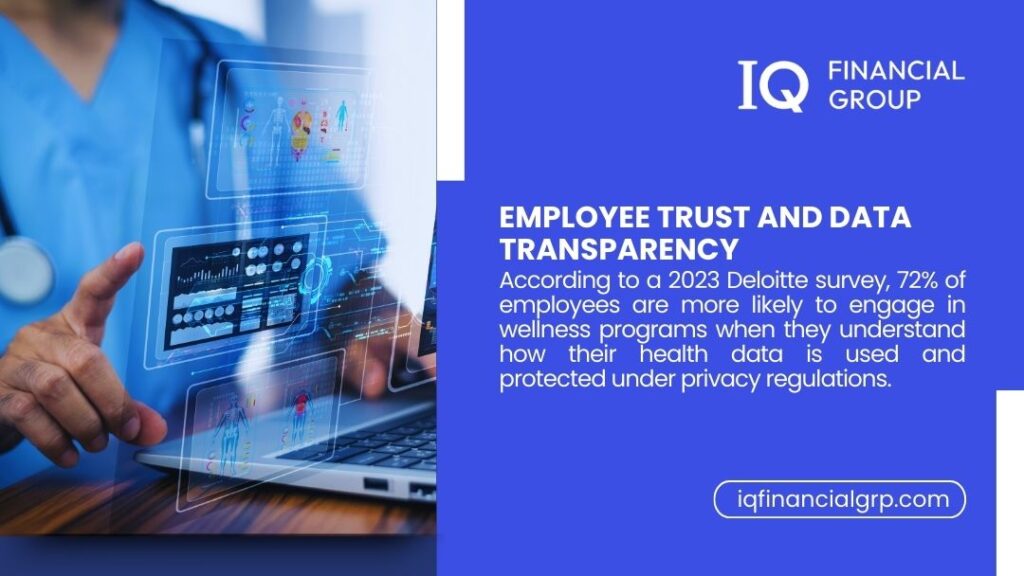
The Business Case: ROI of Personalized Wellness Insurance
Employers are increasingly viewing health benefits as an investment rather than an expense. Personalized wellness insurance programs demonstrate measurable returns through several key outcomes.
| ROI Driver | Impact on Employers | Measured Results |
| Reduced Chronic-Condition Claims | Lowers long-term insurance costs | 15–25 % reduction in annual medical expenses |
| Improved Employee Productivity | Healthier workforce and fewer sick days | Up to 20 % productivity improvement |
| Retention and Recruitment | Enhanced benefit offering attracts top talent | 10–15 % higher retention rate |
| Reduced Disability Absence | Early-intervention care reduces downtime | 30 % decline in short-term disability claims |
| Company Culture | Promotes well-being and trust | Positive employer-brand perception |
When paired with structured benefit solutions such as family health insurance and supplemental plans, these wellness programs form a complete, sustainable ecosystem that delivers tangible economic value.
Mental Health and Behavioral Wellness Integration
One of the most transformative aspects of personalized employee wellness programs is their emphasis on mental-health support. Stress, burnout, and anxiety remain top contributors to absenteeism and reduced productivity.
Personalized wellness coverage connects employees to mental-health professionals through concierge-style virtual sessions, giving them access to confidential counseling and cognitive-behavioral support. This approach normalizes mental-health care within workplace culture while reducing the stigma often associated with seeking help.
Employers can complement these services with targeted benefits such as disability insurance to ensure long-term financial protection for employees managing ongoing mental or physical conditions.
Implementing a Personalized Wellness Program in the Workplace
Establishing a personalized wellness insurance program begins with strategic alignment between HR teams, benefit brokers, and healthcare providers.
The process typically involves:
- Conducting a workforce health-risk assessment to identify prevalent conditions.
- Selecting an insurance framework that supports customized benefits and preventative analytics.
- Partnering with a health insurance broker in Arizona to ensure compliance with HIPAA and federal benefit regulations.
- Communicating clearly with employees about data privacy and health-resource availability.
Employers should monitor results through quarterly analytics, measuring cost savings, participation levels, and engagement improvements to validate ROI. Over time, these insights refine program design and reinforce the company’s commitment to employee wellbeing.
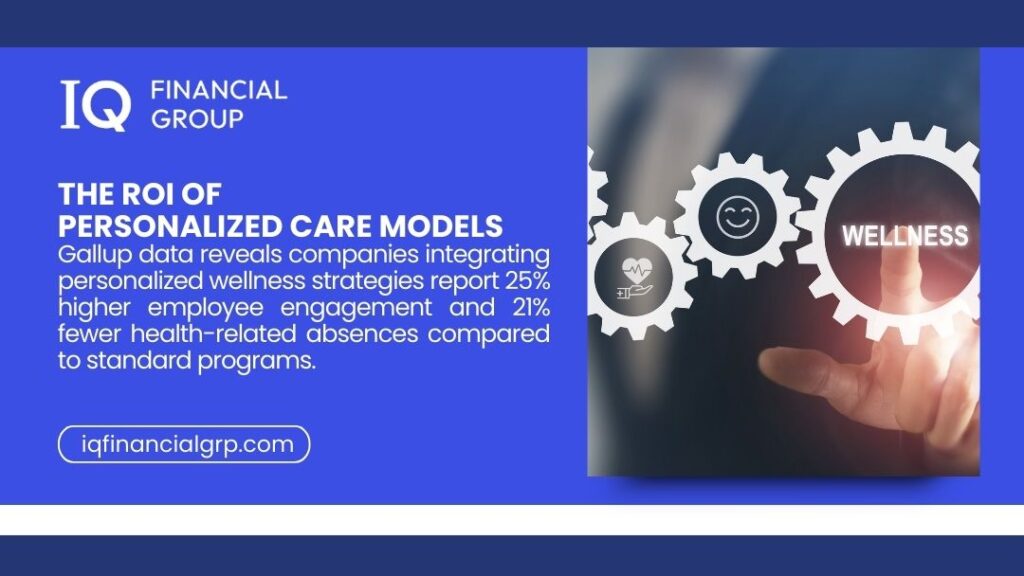
Building a Culture of Prevention and Wellbeing
Personalized wellness programs do more than improve health; they redefine workplace culture. When employees see that their employer invests in their individual well-being, engagement rises, and loyalty strengthens.
A healthy, supported workforce also enhances company performance, reducing turnover and creating a more resilient organizational structure. Employers that adopt this model in Arizona and across the U.S. are proving that healthcare innovation and business growth can go hand in hand.
IQ Financial Group proudly serves businesses nationwide, with specialized expertise for employers in Arizona. To explore how your organization can implement a personalized wellness insurance program for employees, connect with the team at IQ Financial Group.
Learn how their tailored corporate wellness solutions can help your business reduce costs, improve morale, and empower your workforce through prevention-based care.
