
Wellness insurance programs have grown into a core component of the modern employee benefits system in the United States. Companies depend on these programs not only to strengthen employee health, but also to reduce medical claims, control rising insurance premiums, and support long-term organizational stability.
This article examines the benefits of wellness insurance programs for employees from a cost, health, and productivity standpoint, with a specific look at how insurance structures influence wellness outcomes in today’s workplace.
Why Benefits of wellness insurance program for employees Matter in Today’s Workplace
U.S. employers face a workplace shaped by chronic illness, rising health insurance premiums, widespread burnout, and heightened expectations around employee well-being. Organizations are now under pressure to build systems that protect workforce health while also managing the financial burden tied to claims and insurance coverage. Wellness programs address these needs by improving employee health and lowering the frequency and severity of conditions that typically drive up medical spending.
The CDC has noted that chronic diseases account for approximately 90 percent of annual healthcare spending in the United States, creating financial stress for both employers and employees.
When workplaces invest in preventive health measures and wellness resources, they reduce the likelihood of high-cost claims that strain company budgets. The Kaiser Family Foundation has also tracked consistent growth in employer health plan costs, reinforcing why early intervention and employee health support have become essential rather than optional.
What Is a Wellness Insurance Program for Employees?
A wellness insurance program is a structured employer initiative designed to improve workers’ physical, mental, and financial health in ways that directly influence insurance utilization. Unlike general wellness perks, these programs integrate with company health plans to reduce claims, encourage preventive care, and strengthen workers’ understanding of their health benefits.
The programs often include screenings, lifestyle coaching, stress-management support, and access to tools that promote healthy behavior. As employees participate, they tend to use preventive services more consistently and depend less on emergency or high-intensity medical care.
To better understand how preventive care fits into an employee’s overall health plan, companies may offer resources that help workers learn what is and is not covered under their health insurance.
The Core Benefits of Wellness Insurance Programs for Employees
Wellness insurance programs produce measurable improvements in employee well-being and organizational performance. These benefits extend beyond simple health gains; they reshape the financial and cultural foundation of the workplace.
1. Reduced Healthcare Costs and Insurance Premium Savings
Healthcare costs rise when employees develop avoidable chronic conditions or fail to seek timely care. Wellness programs address these issues early by supporting healthier lifestyles and encouraging regular checkups.
KFF’s surveys show employer-sponsored premiums have risen, underscoring why employers are searching for strategies (like wellness programs) to manage costs. This happens because healthier employees submit fewer high-cost claims, and employers maintain more stable risk pools within their sponsored plans. Companies with strong participation in wellness initiatives often negotiate more favorable premium rates due to reduced exposure.
2. Increased Productivity and Fewer Sick Days
Wellness programs drive measurable improvements in attendance and job performance. Workers with stronger physical and mental health produce higher output and require fewer sick days.
The CDC’s “Workplace Health Promotion” program describes that effective workplace health programs “can reduce health risks and improve quality of life for American workers.” When employees feel supported, they are also more likely to stay motivated and engaged. This shift benefits organizations through improved workflow continuity and reduced need for temporary coverage or overtime labor.
3. Better Employee Health and Well-being Across All Areas
Wellness programs target every dimension of employee wellbeing. Efforts to reduce chronic disease, expand mental health access, and introduce financial wellness education promote healthier lifestyles that make long-term medical events less likely.
Workers with access to preventive care, stress-reduction resources, or personalized health planning tend to experience greater stability in both physical and mental health. A deeper understanding of how their benefits work also increases confidence when seeking care.
4. Strengthened Employee Retention and Recruitment
The U.S. labor market has made competitive benefit packages a necessity for attracting and retaining skilled employees. Workers increasingly choose employers who take wellbeing seriously and provide genuine health support rather than surface-level perks. Employers that offer comprehensive wellness plans signal a culture of care, which improves loyalty and reduces turnover.
Job candidates also evaluate benefits through the lens of long-term security, making programs that integrate wellness with insurance coverage far more compelling than disconnected perks.
Wellness Insurance Programs and Employer Cost Savings: The Insurance Connection
The financial impact of wellness programs becomes particularly significant when examining how insurers calculate premiums. Premiums are heavily influenced by the frequency and size of claims submitted by members of a group plan. When employees improve their health, claims drop, and employers benefit from lower renewal increases.
Wellness participation also leads to more informed choices about using preventative services, urgent care, or specialized care only when necessary. Employers offering group health coverage must keep these trends in mind, especially when evaluating their options. This helps businesses align their wellness strategy with insurance cost management.
The Affordable Care Act also encourages preventive care utilization, making wellness programs an effective tool for meeting federal standards and creating healthier risk pools within employer-sponsored plans.
Types of Corporate Wellness Programs That Deliver Measurable Results
A strong wellness strategy only works when the programs are structured, relevant, and connected to genuine employee needs. Organizations in the United States depend on a variety of evidence-supported initiatives that consistently demonstrate improvements in health outcomes and insurance utilization.
Below is a table outlining the types of corporate wellness programs that tend to show measurable, long-term results across U.S. workplaces.
Corporate Wellness Programs and Their Measurable Impact
| Type of Wellness Program | Description | Measurable Results |
| Preventive Health Screening Programs | Provides biometric screenings, health risk assessments, and early detection tools. | Earlier diagnosis, fewer high-cost claims, and reduced long-term health complications. |
| Mental Health & Stress Support | Counseling access, stress-reduction workshops, resilience training. | Lower absenteeism, improved focus, and reduced burnout-related claims. |
| Fitness & Physical Activity Initiatives | On-site gyms, fitness stipends, step challenges, and activity tracking. | Increased physical activity, reduced chronic disease risks, and lower insurance utilization. |
| Nutrition & Lifestyle Coaching | Meal planning guidance, weight-management programs, nutrition education. | Better dietary habits, lower obesity-related claims, improved energy levels. |
| Financial Wellness Programs | Budgeting workshops, debt management coaching. | Reduced financial stress, fewer stress-related medical visits, and increased benefits engagement. |
| Virtual Care Access | Remote care platforms, mental health tele-visits, and digital health monitoring. | Higher preventive care usage, fewer urgent care visits, and improved accessibility. |
These programs work best when they are integrated into the company’s insurance plan structure rather than offered as standalone perks. Alignment between wellness initiatives and healthcare benefits creates stronger employee participation and more reliable results.
How Wellness Programs Reduce Insurance Claims and Improve Risk Pools
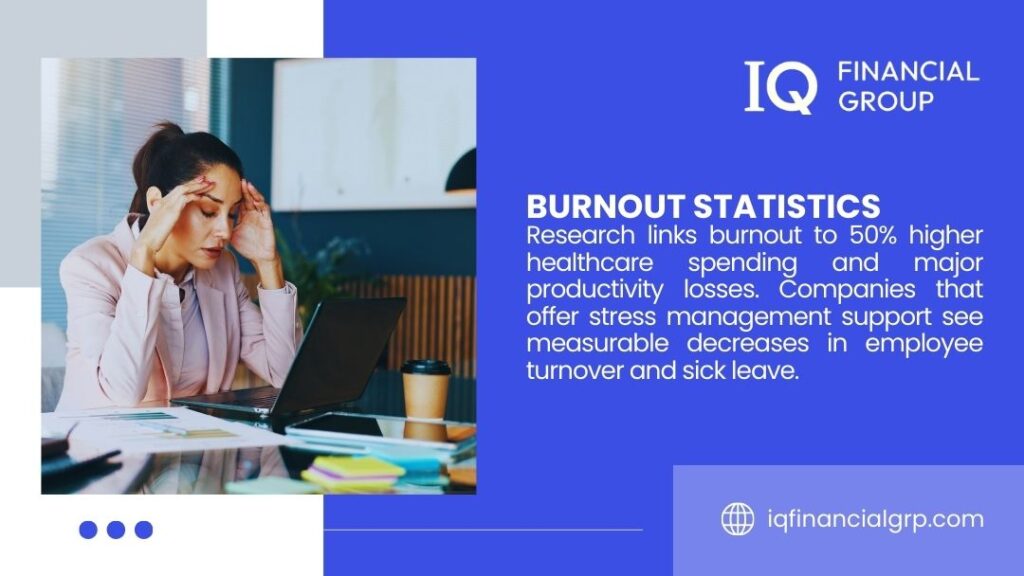
The insurance system rewards stability, and wellness programs create exactly that. When employees engage in preventive health activities, they avoid expensive complications associated with unmanaged conditions. Reduced reliance on emergency care and fewer major medical events translate to fewer claims submitted under employer-sponsored plans.
Improved health outcomes also lower disability claims, creating long-term savings in both disability insurance and paid leave costs. Employers evaluating disability coverage can access more information through the company’s guide to better understand the link between wellness and claim reduction.
Financial Wellness Programs and Their Growing Role in Employee Health
Financial stress continues to be one of the most powerful predictors of poor mental health, sleep disruption, and physical decline. As living costs increase, employees benefit enormously from workplace education around budgeting, savings, debt management, and tax efficiency.
Organizations that integrate financial wellness into their overall well-being strategy create a healthier and more stable workforce. When employees stabilize their finances, they demonstrate fewer stress-related health issues, reducing medical claims and improving overall insurance utilization. Access to tax-advantaged tools also helps employees manage health costs without financial strain.
How to Implement a Comprehensive Wellness Program in the Workplace
Developing a wellness program that employees actually use requires a thoughtful plan grounded in real workforce needs. The first step typically involves a detailed review of employee health patterns, absenteeism trends, and existing insurance claims. This analysis helps employers pinpoint where early interventions could prevent high-cost conditions or recurring medical issues.
Once needs are identified, employers design a wellness strategy that complements the company’s health insurance plan. This phase includes choosing the right mix of preventive care initiatives, mental health support, lifestyle resources, and financial wellness education. Employers also build internal communication systems that explain how each program works, how it ties into existing benefits, and how employees can use it without confusion.
Participation is strongly influenced by accessibility. Programs with flexible scheduling, virtual options, and clear incentives tend to generate higher engagement. Employers may also integrate personal health guidance, which helps align wellness activities with individual options available under an employee’s insurance plan.
The implementation stage ends with measurement. Employers track participation rates, claim reductions, absentee trends, and cost changes. Over time, these data points guide adjustments and help refine the program to better support employees and manage insurance spending.
The ROI of Wellness Insurance Programs: What Employers Can Expect
The return on investment for wellness insurance programs is most visible in the long-term financial stability they create. Employers who maintain active wellness initiatives typically experience lower medical claim volume, which reduces the upward pressure on insurance premiums. These savings accumulate gradually as healthier employees require fewer emergency visits, fewer specialist interventions, and fewer long-term disease treatments.
Productivity improvements contribute additional value. Workers who participate in wellness activities tend to miss fewer days due to illness, remain more focused during the workday, and experience fewer preventable health setbacks. This stability supports overall business operations, minimizes disruptions, and reduces the need for overtime or temporary staffing.
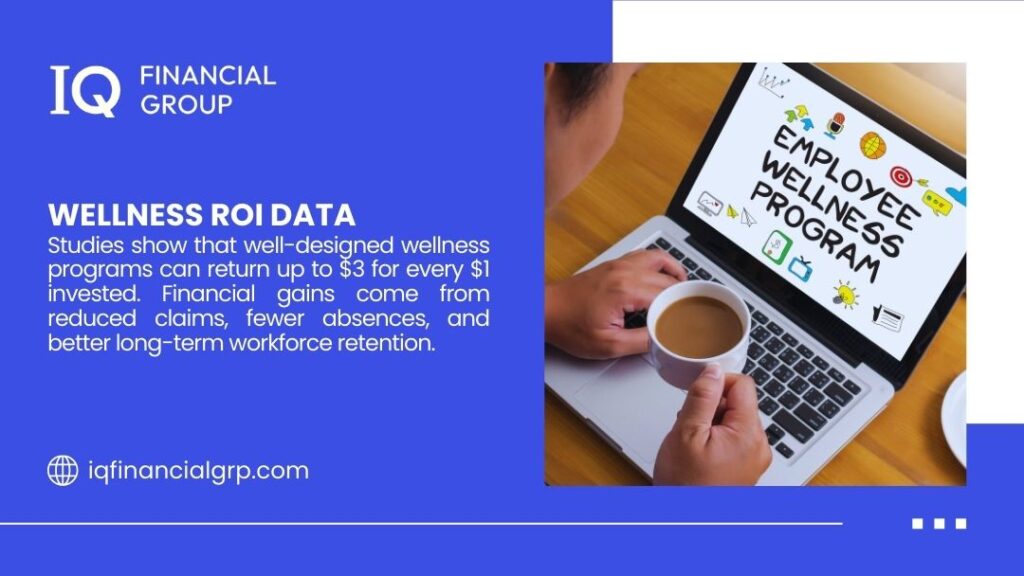
Multiple long-term studies show that well-designed workplace wellness programs can produce meaningful financial returns, with several analyses reporting savings between two and three dollars for every dollar invested over a multi-year period.
While outcomes vary based on participation, the strongest returns come from programs that address both medical prevention and the underlying stressors that influence health, including financial strain and mental health challenges.
Employers also benefit from improved workplace morale and retention, which reduces the cost of turnover and training. These indirect returns often strengthen the overall ROI beyond what insurance savings alone can capture.

Conclusion: Why U.S. Employers Benefit Most from Wellness Insurance Programs
The benefits of a wellness insurance program for employees extend far beyond health improvements. Employers gain predictable insurance costs, healthier risk pools, improved productivity, and a more stable workforce. Employees experience stronger well-being across physical, mental, and financial dimensions.
In a market where both costs and expectations continue to rise, wellness programs offer a practical, strategic, and cost-effective way to align health goals with insurance plans. As the workplace continues to evolve, organizations that prioritize wellness will be best positioned to manage expenses, retain talent, and build long-term employee health stability.
Speak with a Licensed Insurance Broker to build a Custom Wellness-Integrated Plan. Companies seeking to strengthen their wellness and insurance strategy benefit from expert guidance. IQ Financial Group offers personalized support for organizations evaluating their options. Employers can speak directly with a licensed broker through the contact page to design a wellness-aligned insurance plan that matches their workforce needs.
